

Call us: +971504286717
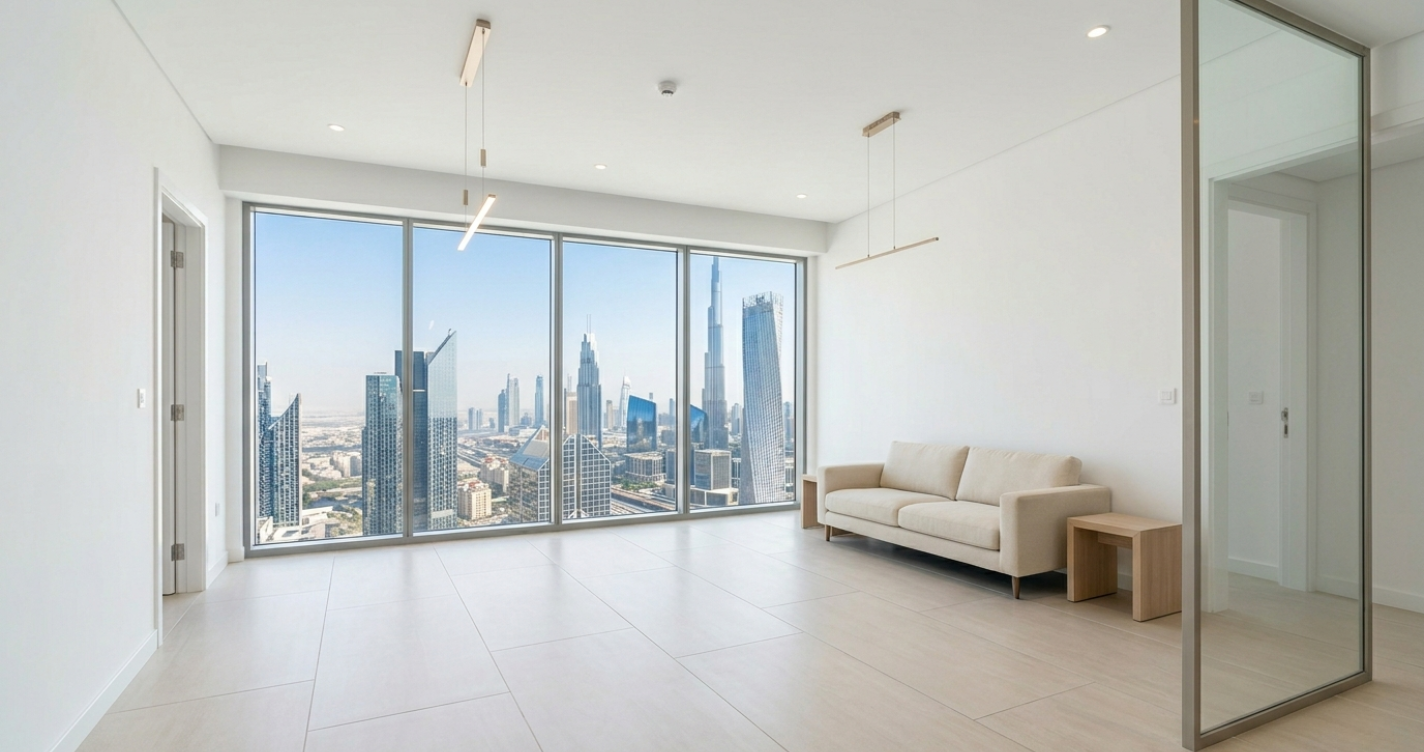

Flooring Dubai projects are among the most frequently requested renovation services across the city in 2026, and the reasons are straightforward. The floor is the single largest visual surface in any room. It sets the tone for everything above it — furniture, lighting, wall colour, and overall feel. Whether you are renovating a villa in The Springs, upgrading an apartment in Dubai Marina, or refreshing a commercial space in Business Bay, choosing the right flooring material is one of the most consequential decisions you will make during your renovation project.
This complete guide from Smart Renovators covers every flooring option available in Dubai’s 2026 market, with realistic AED cost breakdowns, climate-specific advice, design trend insights, and a clear explanation of the installation process. By the end of this guide, you will know exactly what to choose, what it will cost, and what to expect when your flooring project begins.
Why Flooring Matters More Than Most Renovation Decisions
In Dubai’s property market, flooring condition is one of the primary factors that determines how quickly a property lets or sells, and at what price. Properties with tired, cracked, or outdated flooring — warped laminate, chipped ceramic tiles, or faded carpet — are immediately discounted in the minds of buyers and tenants before any negotiation even begins. Conversely, a fresh, high-quality floor replacement transforms the entire character of a property and creates an immediate impression of quality and care.
For homeowners preparing to sell, industry data from Dubai’s secondary property market consistently identifies flooring alongside kitchen and bathroom condition as the three areas that most directly influence buyer decisions and achieved sale price. For landlords, upgraded flooring in a rental property reduces void periods, attracts better-quality tenants, and justifies stronger rental yields.
Beyond financial returns, flooring in Dubai must also perform under conditions that simply do not exist in most other markets. Dubai’s summers bring extreme heat, low outdoor humidity, and the mechanical stress of air conditioning cycling on and off throughout the day and night. The wrong flooring material will buckle, warp, crack, or fade within a few years under these conditions. Material selection in Dubai is therefore not purely an aesthetic decision — it is a structural and environmental one.
Our team at Smart Renovators provides professional flooring and glass installation services across Dubai for both residential and commercial properties. If you are planning a complete renovation, our kitchen and bathroom services and villa renovation services can be combined with flooring work for a coordinated, cost-efficient project delivery.
Flooring Dubai Cost Breakdown 2026 (AED Per Square Meter)
Before selecting a flooring type, it helps to understand what each option costs in the current Dubai market. All figures below include materials and professional installation unless stated otherwise.
Ceramic Tiles Cost: AED 25 to AED 65 per square meter (supply and install) Ceramic tiles remain the most budget-accessible option in the Dubai market. Grade A ceramic tiles from established suppliers such as RAK Ceramics offer reliable quality at a competitive price point. Standard bedroom and living room floor installation starts from AED 50 per square meter for labour, with the tile supply adding AED 25 to AED 45 per square meter depending on size and grade.
Porcelain Tiles (Standard Format) Cost: AED 65 to AED 130 per square meter (supply and install) Porcelain is denser, harder, and more moisture-resistant than ceramic. Grade A porcelain in 60×60 cm format starts from AED 65 per square meter for the tile alone, with installation adding AED 50 to AED 75 per square meter depending on the area and complexity. Porcelain is the dominant choice across mid-range and premium residential projects in Dubai in 2026.
Large-Format Porcelain Tiles (90×90 cm and 120×60 cm) Cost: AED 90 to AED 200 per square meter (supply and install) Large-format porcelain commands a premium because installation requires a perfectly levelled substrate, precision cutting, and more skilled labour time. The material cost for large-format tiles ranges from AED 55 to AED 150 per square meter depending on origin and finish, with professional installation adding AED 75 to AED 100 per square meter.
Natural Marble Cost: AED 200 to AED 500 per square meter (supply and install) Marble is the premium flooring choice for Dubai villas and luxury apartments. Its thermal mass provides a natural cooling effect, making it particularly suited to Dubai’s climate. Marble requires expert installation and regular sealing to protect against staining from hard water and sand. Labour for marble installation starts from AED 100 per square meter due to the weight, fragility, and cutting precision involved.
Engineered Wood Flooring Cost: AED 135 to AED 350 per square meter (supply and install) Solid wood flooring is not suitable for Dubai’s climate due to the humidity fluctuations and temperature cycling that cause solid timber to expand, contract, warp, and crack. Engineered wood — which uses a real wood veneer bonded to a dense plywood or HDF core — handles Dubai’s conditions with far greater stability. Prices start from AED 135 per square meter for mid-range engineered wood and reach AED 300 per square meter or more for premium European species with thick veneers and factory finishes.
Luxury Vinyl Tile and SPC Flooring Cost: AED 50 to AED 120 per square meter (supply and install) Stone Plastic Composite (SPC) and Luxury Vinyl Tile (LVT) have become one of the fastest-growing flooring categories in Dubai. These products are 100 percent waterproof, dimensionally stable in Dubai’s temperature range, extremely durable under family use, and available in realistic wood, stone, and marble-effect prints. For landlords and developers looking for high-performing, cost-effective flooring for rental properties, SPC and LVT deliver outstanding value.
Laminate Flooring Cost: AED 30 to AED 80 per square meter (supply and install) Laminate is the most affordable wood-look flooring option available. Installation labour runs from AED 20 to AED 40 per square meter. However, laminate must be used cautiously in Dubai — it is susceptible to moisture penetration and will swell and delaminate if exposed to high humidity or water. It is generally unsuitable for ground-floor villas and should only be considered for fully air-conditioned, climate-stable apartments where moisture risk is low.
Best Flooring Types for Dubai Homes — A Climate-Specific Guide
Dubai’s environment demands flooring materials that perform under conditions most global guides fail to account for. Here is how each major flooring category performs in the specific context of a Dubai home or apartment.
Porcelain and Ceramic Tiles for Living Areas, Kitchens, and Hallways
Porcelain and ceramic tiles are the most climate-appropriate flooring choice for Dubai’s shared living spaces. They stay naturally cool underfoot even when outdoor temperatures exceed 45 degrees Celsius, they are unaffected by humidity fluctuations, and they require minimal maintenance beyond regular sweeping and occasional mopping. Large-format porcelain tiles with minimal grout lines are the dominant choice in 2026 across Dubai villas and premium apartments, and they are what our flooring and glass team installs most frequently on full-villa renovation projects.
Engineered Wood for Bedrooms and Family Areas
For Dubai homeowners who want the warmth, texture, and visual richness of timber flooring, engineered wood is the correct choice over solid wood. In climate-controlled bedrooms and family rooms where the temperature and humidity remain stable through the air conditioning system, engineered wood performs reliably and lasts for 20 to 40 years with proper maintenance. The key installation requirement in Dubai is ensuring the subfloor is completely dry and level before laying begins, and that the material is given adequate time to acclimatise to the room’s temperature before installation.
SPC and LVT for Rental Properties and Wet-Risk Areas
For landlords renovating Dubai properties for the rental market, SPC flooring offers the best combination of durability, moisture resistance, realistic aesthetics, and competitive cost. SPC is click-lock installed over an existing subfloor, making it one of the faster installation options. Its waterproof construction means it can be used in any room without concern, and its resilience to scratching and scuffing makes it ideal for properties that will see regular tenant turnover.
Marble for Premium Villas and Luxury Apartments
Natural marble remains the aspirational choice for premium Dubai villa projects and high-end apartment renovations. Its inherent cooling properties make it genuinely functional in a Dubai context, not merely decorative. White Carrara, Calacatta, and locally sourced travertine varieties are most frequently specified across Dubai luxury renovations. Marble installation requires skilled stonemasons and proper sealing at handover and on an annual maintenance schedule thereafter.
For villa renovation projects combining flooring with wider structural and interior upgrades, our villa renovation service page explains the full scope of what a comprehensive project involves.
Top Flooring Design Trends in Dubai 2026
Dubai’s renovation market moves quickly, and the flooring preferences of 2026 reflect a clear set of priorities: warmth, minimalism, durability, and ease of maintenance. These are the dominant design directions our team is executing across residential and commercial projects this year.
Large-Format Porcelain in Neutral Tones
The most dominant flooring aesthetic across Dubai in 2026 is large-format porcelain tile in light neutral tones — warm beiges, soft taupes, light greys, and concrete effects in 90×90 cm or 120×60 cm format. The result is a seamless, uninterrupted floor plane with minimal grout lines that makes spaces feel larger, calmer, and easier to maintain. This trend is driven in part by the influence of high-end hotel interiors that Dubai residents experience regularly, and which they increasingly want replicated in their own homes.
Wood-Effect Flooring in Living and Dining Areas
Warm wood tones are heavily in demand across Dubai’s residential renovation market. Where engineered wood is outside the project budget, high-quality large-format wood-effect porcelain tiles and premium LVT in pale ash, warm oak, and honey tones deliver the same visual warmth with significantly lower maintenance requirements. Herringbone and chevron laying patterns — traditionally associated with parquet flooring — are also being applied with both engineered timber and large-format tiles for a more decorative, high-end effect in hallways and dining rooms.
Terrazzo and Patterned Tiles as Feature Accents
Terrazzo flooring and geometric patterned tiles are growing in popularity as feature elements in Dubai renovation projects. Rather than covering an entire space, they are most effectively used in entrance hallways, utility areas, and bathroom floors, where they add a point of visual interest without competing with the neutral, clean aesthetic of the main living areas. Terrazzo in particular offers excellent durability and a retro-modern appeal that is well-suited to Dubai’s design-conscious property market.
Matte Over Gloss Finishes
The preference for matte and textured surface finishes over high-gloss tiles has been building steadily and is now clearly dominant in 2026. Matte finishes hide footprints, scratches, and the residue left by Dubai’s hard water far more effectively than gloss surfaces. They are also safer underfoot when wet. For both floor and wall tiles across Dubai homes and bathrooms, matte and soft-satin finishes are the specification our design team recommends and most commonly installs.
Sustainable and Low-Maintenance Materials
Homeowners and property investors in Dubai are increasingly aware of long-term running costs. Flooring choices in 2026 increasingly prioritise materials that will not require replacement or significant maintenance within the typical property cycle. Sintered stone surfaces, engineered wood with factory-applied protective coatings, and high-grade SPC flooring all meet this durability standard. For our broader renovation approach to sustainable and lasting material choices, our about page explains the quality principles that guide every Smart Renovators project.
The Flooring Installation Process — What to Expect
Understanding what happens during a professional flooring installation helps you plan your schedule, protect your property, and ensure the finished result meets the standard you are investing in. At Smart Renovators, our flooring installation process follows a structured sequence that prevents the most common causes of flooring failure in Dubai properties.
Subfloor Assessment and Preparation
The quality of any flooring installation depends entirely on the condition of the subfloor beneath it. Before any material is laid, our team assesses the existing floor for levelness, moisture content, structural integrity, and the presence of any old adhesive or damaged screed that must be removed. An uneven subfloor leads to cracking tiles, hollow spots, uneven joints, and flooring that lifts within months. Where preparation work is required — grinding, patching, or self-levelling compound application — this is completed and allowed to cure fully before installation begins. This is not optional. It is the step that separates professional flooring installations that last 20 years from amateur jobs that fail within two.
Material Delivery and Acclimatisation
All flooring materials — particularly engineered wood and SPC — must be delivered to site and allowed to acclimatise to the room’s temperature and humidity before installation. In Dubai’s air-conditioned properties, this acclimatisation period ensures the material stabilises dimensionally before being fixed, preventing expansion gaps or buckling post-installation. Our project managers schedule material delivery as part of the project timeline, not as an afterthought.
Precise Installation With Waste Management
Flooring installation in Dubai properties requires careful planning of the laying direction, tile or plank orientation, starting point, and pattern alignment. Large-format tiles in particular require water-jet cutting equipment for precision cuts at edges, columns, and fixtures. All waste materials — tile offcuts, old flooring, adhesive and grout packaging — are removed from site by our team as work progresses, keeping your property clean and safe throughout the project.
Grouting, Finishing, and Curing
For tiled floors, the grouting stage and its curing period are as important as the tile installation itself. Grout selection — colour, grade, and flexibility — must match the tile format and the specific conditions of the installation area. Flexible grout is required at movement joints and around the perimeter of large-format tile installations to accommodate the minor thermal movement that occurs in Dubai’s temperature range. Our painting and finishing team handles all final edge trims, skirting board reinstallation, and surface cleaning at project completion.
A standard flooring project covering 80 to 120 square meters of a typical Dubai apartment takes between two and five days from preparation to handover, depending on material type and subfloor condition. Larger villa flooring projects covering multiple floors and areas are planned in sections to minimise disruption to residents.
Maintaining Your New Floor in Dubai
The right maintenance approach extends the life of your flooring significantly and protects the investment you have made. Here are the maintenance principles that apply across the most common flooring types installed in Dubai properties.
Porcelain and ceramic tiles require regular sweeping to remove the fine sand and dust particles that Dubai’s air carries, which act as an abrasive on floor surfaces if left to accumulate. Mopping with a pH-neutral cleaner is all that is required for routine maintenance. Avoid acidic cleaners, which can damage grout over time.
Engineered wood flooring should be swept or vacuumed regularly and cleaned with a manufacturer-approved hardwood floor cleaner applied with a barely damp mop. Standing water must never be allowed to remain on engineered wood. Regular inspection of the floor’s protective coating condition and refinishing of the top layer every several years extends the floor’s lifespan substantially.
Natural marble must be sealed on installation and resealed annually. Dubai’s hard water leaves residue on marble surfaces that, if not cleaned promptly, can cause permanent staining. Acidic substances — including lemon juice, vinegar, and many common cleaning products — will etch and damage marble surfaces and must be avoided entirely.
SPC and LVT flooring are the easiest to maintain. Regular sweeping and mopping with a mild cleaner is all that is required. Avoid dragging heavy furniture across the surface without felt pads, as concentrated point pressure can scratch the wear layer over time.
For routine property maintenance beyond flooring — including annual AC servicing, which directly affects the climate stability that protects your flooring — our AC maintenance service offers professional, scheduled maintenance to keep your property performing at its best year-round.
Flooring and Glass Partition Combinations in Dubai Properties
One increasingly popular trend in Dubai property renovation in 2026 is the combination of premium flooring upgrades with glass partition installations. Open-plan living spaces that use frameless or semi-frameless glass partitions to divide functional zones — separating a home office from a living area, for example, or creating a visual boundary between dining and lounge — achieve a light, modern aesthetic that works exceptionally well alongside large-format neutral tile floors.
Glass partitions allow natural light to flow through the space without interruption, complementing the expansive, seamless quality of large-format porcelain floors. Our flooring and glass service covers both elements as a coordinated package, with installation sequenced to protect the finished flooring while glass partition frameworks are fitted.
For properties undergoing broader renovation work including landscaping, garden areas, and outdoor tiling, our landscaping service can extend the flooring aesthetic from the interior into the outdoor spaces, creating a continuous material language between inside and outside that is particularly effective in Dubai villa properties with terrace areas.
FAQs
What is the best flooring for Dubai homes in 2026?
Large-format porcelain tiles are the best overall choice for Dubai homes in 2026 due to their heat resistance, durability, low maintenance, and contemporary aesthetic. Engineered wood is the best choice for bedrooms and climate-controlled family rooms where warmth underfoot is a priority. SPC and LVT flooring are the top choice for rental properties due to their waterproof construction and durability. Natural marble is ideal for premium villa projects where budget allows for the maintenance requirements.
How much does flooring cost in Dubai per square meter in 2026?
Flooring costs in Dubai vary by material. Ceramic tiles cost AED 25 to AED 65 per square meter for supply and installation. Standard porcelain tiles range from AED 65 to AED 130 per square meter. Large-format porcelain tiles cost AED 90 to AED 200 per square meter. Engineered wood flooring ranges from AED 135 to AED 350 per square meter. Natural marble costs AED 200 to AED 500 per square meter. SPC and LVT flooring ranges from AED 50 to AED 120 per square meter.
Can I install solid wood flooring in my Dubai apartment?
Solid wood flooring is not recommended for Dubai properties. Dubai’s extreme temperatures, air conditioning cycling, and humidity fluctuations cause solid wood to expand, contract, warp, and crack over time. Engineered wood flooring, which has a real wood veneer over a stable plywood or HDF core, is the correct alternative. It delivers the same visual appearance as solid wood while handling Dubai’s climate conditions with significantly greater stability.
How long does a flooring installation take in Dubai?
A standard flooring project covering 80 to 120 square meters in a Dubai apartment typically takes two to five days from subfloor preparation to handover. Larger villa flooring projects are planned in sections. The exact timeline depends on material type, subfloor condition, the complexity of the laying pattern, and the time required for adhesive or grout curing before the floor can be walked on.
Do I need to prepare the subfloor before installing new flooring in Dubai?
Yes, subfloor preparation is the most critical step in any flooring installation. The subfloor must be level, dry, clean, and structurally sound before any flooring material is laid. An inadequately prepared subfloor is the primary cause of cracking tiles, hollow spots, lifting joints, and flooring failure. Professional contractors in Dubai always assess and prepare the subfloor as the first stage of any flooring project, before materials are ordered and delivered to site.
What flooring is best for a Dubai rental property?
SPC (Stone Plastic Composite) and LVT (Luxury Vinyl Tile) flooring are the best choice for Dubai rental properties. They are 100 percent waterproof, highly resistant to scratching and scuffing from regular tenant use, available in realistic wood and stone aesthetics, and cost-effective relative to natural materials. For landlords seeking the best combination of durability, visual appeal, and value for money in a rental investment, SPC is the industry-standard recommendation in Dubai’s 2026 market.
What is the difference between LVT and SPC flooring?
LVT (Luxury Vinyl Tile) is a flexible vinyl product available in tile or plank format with a realistic printed finish. SPC (Stone Plastic Composite) is a rigid-core evolution of LVT that incorporates a stone powder composite core, making it denser, more dimensionally stable, and more resistant to temperature fluctuations. SPC is the better choice for Dubai’s climate due to its rigidity and stability under heat cycling. Both are waterproof, click-lock installed, and suitable for use in any room.